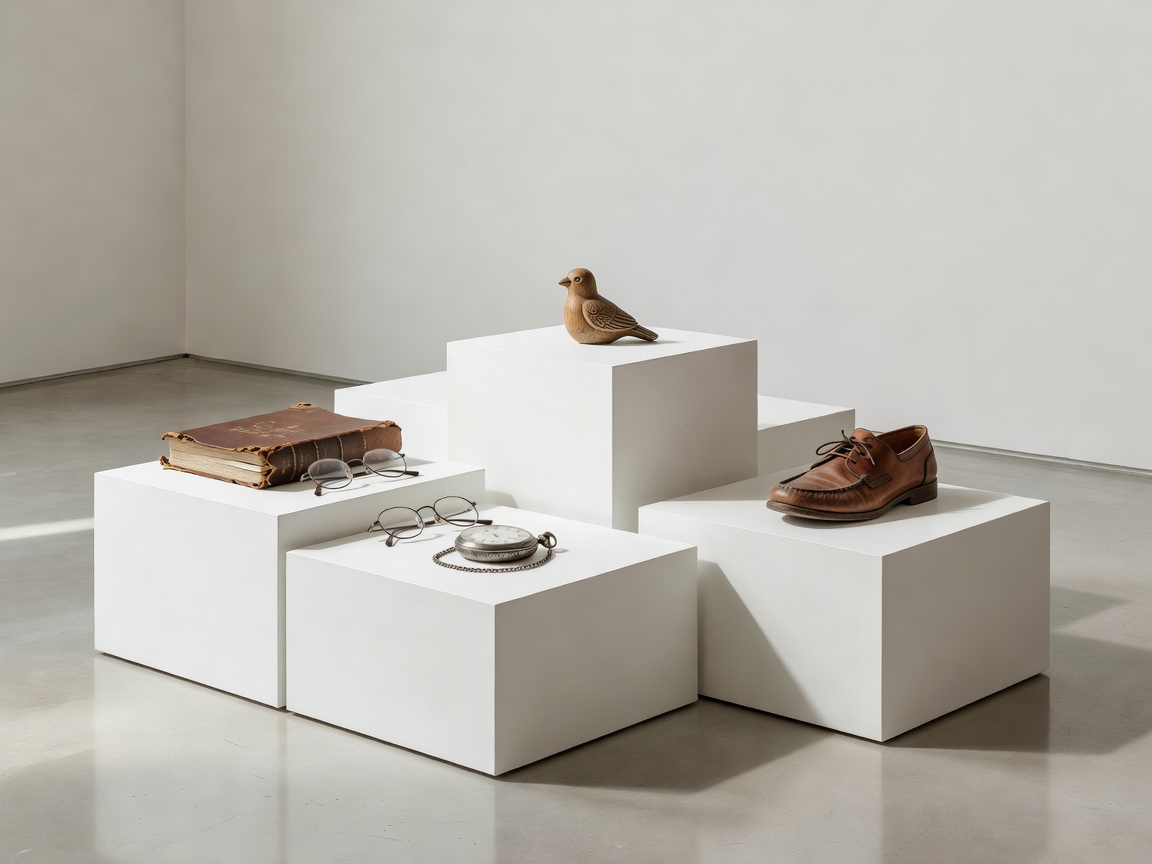
When a relationship comes to an end, what happens to the physical remnants left in its wake? A forgotten toaster, a half-used bottle of perfume, a rusty key, or an axe. In traditional archives, objects are preserved for historical significance or artistic mastery. But emotional archives preserve something entirely different: raw human experience.
The Catharsis of Crowdsourced Donation
The pioneer of this movement—Zagreb's Museum of Broken Relationships—began with a simple insight by artists Olinka Vištica and Dražen Grubišić. When couplehood ends, individuals feel an overwhelming urge to either destroy or preserve memories. Donating an item along with an anonymous note offers a third path: public catharsis.
The Universal Resonance of the Mundane
What makes heartbreak tokens so compelling to museum visitors is their utter ordinary nature. A single unmatched sock or a dried wedding corsage loses its triviality when accompanied by two sentences explaining the night it was left behind. Visitors find themselves recognizing their own vulnerability in the possessions of total strangers.
Preservation as Healing
In archivism, preserving an object normally freezes it in time. But in emotional micro-museums, the act of surrender is active healing. Giving away a tangible memory allows the donor to close a chapter, while providing the public with a mirror for their own emotional journeys.